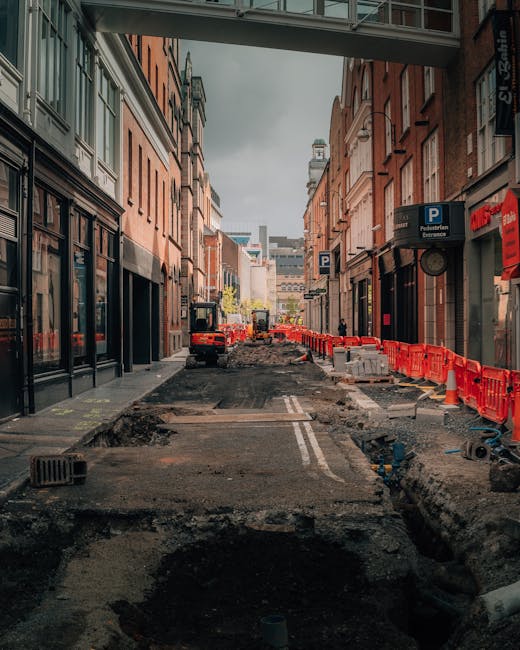
Claremont Road rubbish removal access tips for narrow drives
If you are trying to organise Claremont Road rubbish removal access tips for narrow drives, you already know the awkward part is rarely the rubbish itself. It is the driveway, the turning space, the parked cars, the low wall, the gate that opens inward, or the van that looks slightly too big the moment it arrives. To be fair, a lot of rubbish clearances go smoothly until the vehicle has to actually get close enough to do the job.
This guide focuses on the real-world details that make narrow-drive access manageable: measuring properly, preparing the route, deciding whether a van can reach the load point, and avoiding the little mistakes that cause delays. If you want a clearer picture of the broader service before booking, you can also look at waste removal services and the company's approach to insurance and safety.
Let's keep this practical. No fluff, no vague "just make sure access is clear" advice. Narrow drives need a bit of planning, but once you know what to check, the whole thing becomes much less stressful.
Table of Contents
- Why access planning matters on narrow drives
- How rubbish removal works on a tight access route
- Key benefits of preparing the drive properly
- Who this is for and when it makes sense
- Step-by-step guidance for Claremont Road access
- Expert tips for better results
- Common mistakes to avoid
- Tools, resources and recommendations
- Law, compliance, standards, and best practice
- Methods and comparison table
- Real-world example
- Practical checklist
- Conclusion
- Frequently asked questions
Why Claremont Road rubbish removal access tips for narrow drives Matters
Narrow-drive access is one of those things that sounds simple until you are standing outside with a sofa, two broken cabinets, a mattress, and a van waiting at the kerb. On roads like Claremont Road, the margin for error is small. A few extra inches can decide whether items can be taken from the property directly or whether everything has to be carried further than expected.
That matters for three reasons. First, it affects time. A clearance that seems straightforward can stretch if the team has to make repeated trips by hand. Second, it affects safety. Tight reversing, blind corners, and uneven paving all increase the chance of knocks, slips, and awkward lifting. Third, it affects cost and scheduling. If access is tighter than expected, the job may need a smaller vehicle, an earlier arrival slot, or a different loading plan altogether.
There is also the very human side of it. Nobody wants a collection day to turn into a half-hour of apologising, moving wheelie bins, and trying to convince a van to squeeze past a hedge. A little planning keeps things calm. And calm is underrated.
Expert summary: On narrow drives, the best rubbish removal outcome usually comes from accurate access checks, light preparation, and a loading plan that matches the vehicle, the waste type, and the street layout.
How Claremont Road rubbish removal access tips for narrow drives Works
The basic process is easy to understand once you strip away the jargon. A rubbish removal team needs two things: safe access to the waste and enough space to load it efficiently. If the driveway is too narrow for the vehicle, the plan changes. The crew may park nearby and carry items by hand, use a smaller vehicle, or split the load into stages.
In practice, the job usually works like this:
- You explain the access setup in advance, including driveway width, gate type, turning space, parking pressure, and any slopes or steps.
- The team decides whether the waste can be taken from the property edge, the drive, the front path, or a side passage.
- On arrival, the crew checks the route again because real streets are rarely identical to the description. A bin left out at the wrong angle can change everything. Oddly often.
- The load is removed by the safest practical method, with the vehicle positioned where it can do the least damage and cause the least disruption.
If the access is especially tight, the crew may prefer to work from a staging point rather than force the van into a narrow gap. That can be the sensible choice, not a compromise. In many homes, especially older London properties, the drive is more of a negotiation than a parking bay.
For mixed domestic clearances, you may also want to see how home clearance and house clearance are handled when access is awkward. If you have a flat, the logistics can be different again, which is why flat clearance is worth comparing in your planning stage.
Key Benefits and Practical Advantages
Good access planning is not just about making life easier for the removal team. It usually improves the whole day for you too. The benefits are practical, and they show up quickly.
- Less delay: The team spends less time figuring out how to reach the waste.
- Lower risk of damage: Careful positioning helps protect gates, paving, garden walls, and car mirrors.
- Smoother lifting: Shorter carries and better loading routes reduce strain on the crew and help prevent accidents.
- Better pricing clarity: When access is described accurately, quotes tend to be more realistic from the start.
- Less disruption to neighbours: A tidy, well-planned visit is usually far less annoying for everyone nearby.
- Faster completion: A clearance that would otherwise drag on can often be finished in one clean visit.
There is also a subtle benefit that people often miss: confidence. Once you know the access plan, you stop worrying about whether the van will get stuck or whether your old garden shed is somehow going to become the street's problem for the afternoon. That peace of mind counts.
Who This Is For and When It Makes Sense
This kind of planning helps almost anyone dealing with waste on a narrow or awkward driveway, but it is especially useful if you are in one of these situations:
- You live on a residential street with on-street parking pressure.
- Your drive has a tight entrance, a sharp bend, or a narrow gate.
- The items are bulky, such as wardrobes, beds, sofas, fridges, or old appliances.
- The clearance includes builders' waste, which is often heavier and less forgiving to move.
- You have a side return, rear access, or long path that affects carry distance.
- You are clearing a garage, loft, or garden and cannot easily bring the waste straight to the front.
It also makes sense if you are comparing rubbish removal with a skip. For some properties, a skip can work well, but for others a collection-based service is far simpler. A good starting point is to look at what can go in a skip so you can compare the kinds of waste involved and judge which approach fits your access better.
Truth be told, narrow drives are not just a domestic problem. Small office refurbishments, shop clear-outs, and trade jobs on cramped access roads can run into the same issue. If that sounds familiar, business waste removal and builders waste clearance may be more relevant than people first assume.
Step-by-Step Guidance
If you want the cleanest possible rubbish removal day, follow a simple process. Nothing fancy. Just a proper sequence.
1. Measure the narrow parts first
Measure the driveway entrance, gate opening, and any pinch points along the route. If there is a bend, note the narrowest part of the turning area as well. Do not guess. A tape measure and two minutes can save a lot of back-and-forth later.
2. Check headroom and surface condition
Low branches, overhead cables, hanging baskets, and steep changes in level can all matter. So can cracked paving, mossy patches, and loose gravel. A surface that looks "fine enough" at a glance may be slippery in wet weather or awkward for a heavy trolley.
3. Clear the route before collection day
Move cars, bikes, bins, toys, planters, and anything decorative that narrows the path. If the gate opens inward, keep it fully secured open. If it swings out, make sure it will not catch the vehicle or block the footway. These tiny details make a bigger difference than people expect.
4. Separate what is going and what is staying
Stack rubbish in one area and make the "keep" pile obvious. If a team has to ask which pile is which while standing in a tight entrance, the whole job slows down. You want the waste clearly visible, accessible, and not mixed with items you still need.
5. Flag difficult items in advance
Anything oversized, very heavy, fragile, or awkward should be mentioned early. That includes pianos, American-style fridge freezers, large mirrors, soaked mattresses, and broken construction debris. If you have anything that could require special handling, say so. If hazardous material is present, it should be dealt with carefully through the appropriate route, such as hazardous waste disposal.
6. Decide whether the vehicle can come in or not
Sometimes the answer is yes, sometimes no, and sometimes "maybe, if nothing changes." The best outcome usually comes from being honest about the limit. If the route feels tight for a van, the crew may prefer to load from outside the drive. That is often safer anyway.
7. Keep a fallback plan ready
If the driver cannot get as close as expected, know where the waste can be staged. A front path, driveway edge, or front garden area can help. A little fallback plan avoids that awkward pause where everyone stands around looking at the gate like it is going to make the decision for them.
Expert Tips for Better Results
Here is the part that tends to separate a smooth collection from a slightly chaotic one.
- Photograph the access route before the booking: One wide shot of the drive, one of the gate, and one of the waste pile can tell a lot. The picture does not need to be artistic.
- Think about reverse access: On some roads, turning is harder than reversing. On others, the opposite is true. The street layout decides this more than people realise.
- Allow for weather: Wet paving, wind-blown branches, and muddy side paths can make a narrow route far less friendly.
- Group waste by handling difficulty: Put the awkward items nearest the route and the light stuff behind if everything is going in one go.
- Keep dogs and children inside during loading: A busy doorway with moving items and a tight drive is not the place for sudden dashes or curious pets.
- Protect the pinch points: If you are worried about a wall or gatepost, mention it. A careful crew will usually work around it.
One small thing people forget: bins, bags, and loose packaging can create the impression that access is worse than it is. Tidying those away can genuinely change the whole feel of the entrance. It sounds minor. It really isn't.
If the clearance is mainly furniture, there are separate pages on furniture clearance, furniture disposal, and mattress and sofa disposal that can help you plan the load more sensibly.
Common Mistakes to Avoid
Narrow-drive jobs usually go wrong for boring reasons, which is almost comforting in a way. The good news is that boring mistakes are easy to avoid once you know what they are.
- Assuming a van will fit because a car does: A collection vehicle needs more room to manoeuvre and more room at the load point.
- Not mentioning a slope: A sloped driveway can turn a straightforward trolley move into a slippery effort.
- Leaving cars half on the drive: That one causes more trouble than people expect. Half-clear is not really clear.
- Forgetting side gates or low arches: The "main entrance" is not always the best route.
- Mixing protected or hazardous materials with general rubbish: This creates safety and disposal issues that can hold up the collection.
- Booking without checking item size: A big wardrobe is not the same as a stack of black bags, obvious as that sounds.
There is also a softer mistake: being too vague. "It should be fine" is not a plan. It is a hope. And hope is lovely, but not very helpful on a collection day.
Tools, Resources and Recommendations
You do not need a lot of kit, but the right few things make preparation easier.
| Tool or resource | Why it helps | When to use it |
|---|---|---|
| Tape measure | Checks gate widths, drive entrance size, and tight corners accurately | Before booking and on the morning of collection |
| Phone camera | Captures the access route and any pinch points for reference | When describing the site or confirming the load plan |
| Marker tape or chalk | Helps define what stays and what goes | During sorting and staging |
| Work gloves | Useful for moving small items safely and keeping grip on rough surfaces | When shifting light clutter or loose debris |
| Wheelbarrow or sack trolley | Can reduce the number of hand-carries on longer narrow paths | When the route is safe and level enough |
For some collections, the important decision is less about the drive and more about the type of waste. If you are dealing with old appliances, check the practical handling route through fridge and appliance removal. If the job is garage-led, garage clearance may suit the layout better. For outside spaces, garden clearance can be the better fit.
And if you are planning a larger clear-out from upstairs storage, loft clearance is worth considering because loft loads often create extra carry distance and awkward shapes. Small detail, big difference.
Law, Compliance, Standards, or Best Practice
For most household rubbish removals, the main compliance point is simple: waste should be handled safely, and any special waste needs the right treatment. The exact legal responsibilities depend on what is being removed, who owns it, and whether the waste is domestic, commercial, or potentially hazardous.
In UK practice, good waste handling usually means:
- keeping walkways clear and reducing trip hazards;
- separating hazardous or sharp materials from ordinary waste;
- making sure lifting is done in a way that reduces injury risk;
- avoiding damage to property, neighbours' vehicles, or public areas;
- using appropriate insurance and operating procedures.
That is why it is sensible to check a provider's health and safety policy and insurance and safety information before booking, especially if your access is tight or the items are heavy. If your clearance involves business paperwork, sensitive records, or office contents, confidential shredding may also be relevant.
Best practice, in plain English, means telling the truth about access, planning for the awkward bit, and not expecting a large vehicle to behave like a tiny hatchback. That might sound obvious, but in the field, it saves headaches.
Options, Methods, or Comparison Table
There is more than one way to clear rubbish from a narrow drive. The right method depends on access, waste type, and how much disruption you can tolerate.
| Method | Best for | Pros | Limitations |
|---|---|---|---|
| Vehicle close to the property | Drives with enough width and turning space | Fastest loading, less carrying | Needs confident access and safe manoeuvring room |
| Kerbside or roadside loading | Very tight drives or busy entrances | Reduces risk to gates and walls | More hand-carrying, may take longer |
| Staged loading from the front garden or path | Properties with a short but awkward route | Good compromise for many homes | Requires clear staging space |
| Split collection | Mixed waste or awkward bulky items | Flexible and safer for heavy loads | May need more time and planning |
For some people, the trade-off is obvious. They want the vehicle as close as possible and are happy to make room for it. For others, especially where the drive is especially narrow, loading from the roadside is far less stressful. There is no prize for forcing a van into a gap it does not like.
If the waste is business-related, or you are clearing a commercial space with a tight loading zone, office clearance and business waste removal may help you think through the most practical collection method.
Case Study or Real-World Example
Here is a realistic example from the sort of job people run into all the time.
A homeowner on a narrow residential street had a front drive that looked usable from the pavement, but the entrance narrowed just enough to make manoeuvring tricky. The waste included a dismantled wardrobe, two mattresses, a broken chest of drawers, and several bags from a loft clear-out. There was also a car that could not be moved until later in the morning. Standard "just bring the van up" thinking would have made the day harder than it needed to be.
The practical fix was straightforward. The homeowner moved the car the evening before, cleared the gate open fully, and stacked the items nearest the front path rather than deep in the drive. The team was told in advance that the side passage was too narrow for carrying large items and that the driveway slope became slippery after rain. On the day, the vehicle stayed outside the tightest section, and the load was moved in manageable pieces.
The result? No scrapes, no awkward reversing, no last-minute panic. Just a quicker, calmer clearance with fewer interruptions. Nothing dramatic. Which, in this line of work, is often the best outcome you can hope for.
The same approach works for larger property clear-outs too, especially if you are dealing with a full room or a mixed household clearance. Services such as home clearance and furniture clearance tend to benefit from the same kind of planning.
Practical Checklist
Use this before collection day. It is simple, but it covers the stuff that matters.
- Measure the narrowest point on the drive and gate.
- Check whether a vehicle can turn, reverse, or only stop outside.
- Move cars, bins, bikes, and planters out of the access route.
- Make sure gates open fully and stay open safely.
- Separate items to keep from items to remove.
- Flag any heavy, fragile, or hazardous items in advance.
- Check the surface for wet leaves, loose gravel, or slippery spots.
- Keep children and pets away from the loading area.
- Identify a fallback staging point if the vehicle cannot come in.
- Have the booking details and access notes ready on the day.
If you are still deciding what kind of service suits the job, pricing and quotes can help you think through the likely scope without jumping to conclusions too early. A clear quote often starts with clear access notes.
Conclusion
Claremont Road rubbish removal access tips for narrow drives are really about one thing: removing uncertainty before collection day. Once you know the tight spots, the vehicle limitations, and the easiest loading route, the rest becomes much more manageable. That is true whether you are clearing a couple of bulky items or tackling a full property load.
The best results usually come from small, sensible actions: measure properly, clear the drive, describe the access honestly, and choose the method that fits the space rather than trying to force the space to fit the job. Simple advice, yes, but it works.
And if your drive feels like it was designed for bicycle parking in a different century, you are not alone. Narrow access is common, and with the right plan, it can still be handled cleanly and without fuss.
Get a free quote today and see how much you can save.
When the access is sorted, the whole day feels lighter. That is usually the moment people realise they were worrying about the wrong part.
Frequently Asked Questions
How do I know if my narrow drive is suitable for rubbish removal?
The easiest way is to measure the narrowest point, check the turning space, and compare that with the kind of vehicle likely to attend. If the drive feels tight for a car and the items are bulky, mention that before booking. A few photos help as well.
Should I move my car before a rubbish removal collection?
Yes, if at all possible. Even one parked car can change the whole access plan. Moving it the night before usually makes collection day far less stressful, especially on narrow roads where space disappears quickly.
What happens if the van cannot get onto my drive?
The crew will usually switch to a safer loading method, such as roadside or kerbside collection. That is very common on tight streets. It may take a little longer, but it avoids unnecessary risk to gates, paving, and the vehicle.
Can rubbish be removed from the front garden or path instead?
Yes, often it can. Front garden staging is a useful compromise when the drive is too tight but there is enough space near the property entrance. The key is to keep the waste easy to reach and not block the walkway.
Do I need to mention heavy items in advance?
Absolutely. Heavy or awkward items, such as fridges, wardrobes, beds, and builders' debris, may need a different lifting plan. It helps the team prepare the right equipment and avoid surprises on the day.
Is a narrow drive better for rubbish removal or a skip?
It depends on the layout and the type of waste. If access is very tight, a collection-based service can be easier than placing a skip. If you are comparing the options, it is worth looking at what can go in a skip and how much space you actually have.
What should I do with hazardous waste?
Do not mix it with ordinary rubbish. Hazardous items need separate handling and should be mentioned clearly before collection. If you are unsure, keep them aside and ask for guidance rather than guessing.
Will narrow access make the job more expensive?
It can, but not always. Sometimes the access only changes the loading method. In other cases, longer carry distances or extra time may affect the price. Clear information at the quote stage helps avoid awkward changes later.
How much space should I leave for the team to work safely?
Enough for people to move without squeezing past cars, bins, or open gates. There is no perfect number that fits every property, but the practical rule is simple: the loading area should be clear, stable, and easy to reach.
Can you remove furniture from a house with a very tight side passage?
Often yes, but it depends on the dimensions and the item sizes. If the side passage is too narrow, the team may use a front-route plan instead. This is common with larger furniture jobs, especially when the house has older or awkward access.
What is the best way to prepare for same-day rubbish removal?
Clear the access route, move vehicles, separate the rubbish, and have photos or measurements ready. Same-day jobs work best when the team can see exactly what they are dealing with and does not have to improvise at the gate.
What if I am also clearing a loft, garage, or office?
That just means access planning matters even more. A loft or garage can add carrying distance and awkward item shapes, while an office clearance may involve mixed waste and sensitive materials. It is worth looking at the relevant service pages early so the collection plan matches the site properly.
Who should I speak to if I have special access concerns?
Raise them before the booking is confirmed, not on the day. If you want to discuss the details directly, you can use the company's contact options, and it is usually best to share measurements, photos, and any gate or parking limitations. That way everyone starts from the same page.