Commercial Waste Removal in Hendon
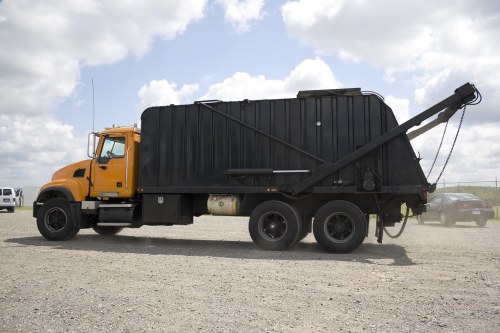
Commercial waste removal in Hendon needs to be straightforward, lawful and well matched to the type of material your business produces. We provide a practical service for offices, shops, hospitality venues, landlords and other local organisations that need mixed business waste moved away without disruption. The focus is on safe collection, sensible sorting and responsible disposal, with the work shaped around the materials, access and timing involved in each job.
Our service covers regular and one-off clearances, whether you are dealing with office furniture, packaging, shelving, archived paperwork, broken fixtures or general non-hazardous business waste. Where needed, we can separate reusable items, recyclable materials and residual waste so that the load is handled in a way that supports compliance and keeps the process organised. If you need to compare options, it is sensible to request a quotation with a short description of the items rather than guessing the likely scope.
For many customers, the main question is how to keep the removal efficient without causing inconvenience to staff or visitors. That is why it helps to think in terms of access, lift capacity, loading arrangements and the kind of clearance required. Pricing and quotes can also be discussed once the waste type and volume are understood, and we always aim to keep the service clear and commercially sensible.
Business waste collection for day-to-day operations
Commercial waste often builds up in small amounts before it becomes noticeable: packaging from deliveries, redundant stock, damaged display items, broken office chairs or worn fixtures from a refit. We collect those materials as a single organised clearance or as part of a wider business waste removal visit. The aim is to remove clutter from your premises while keeping the process simple for your team and respectful of your trading hours.
Different sites create different waste streams, so our approach is to match the collection to the setting. A retail unit may need mixed light waste and cardboard taken away, while a managed property may need heavier items and debris removed from communal or back-of-house spaces. For ongoing arrangements, the important point is not just how much waste there is, but how consistently it arises and what sort of items are included.
If you are dealing with business waste over a wider schedule, our business waste removal page explains a useful core service route for commercial customers. For an enquiry, it helps to note the item types, the floor level, whether the waste is stacked or loose, and whether any materials need to be separated before loading.
Office clearance and workplace items

Office clearance is often needed when a company is relocating, refreshing a workspace or removing surplus equipment after a change in layout. We can clear desks, chairs, storage units, meeting room furniture, loose office contents and other non-hazardous workplace items. The purpose is to leave the space ready for its next use, while keeping the removal orderly and manageable for facilities teams, landlords or tenants.
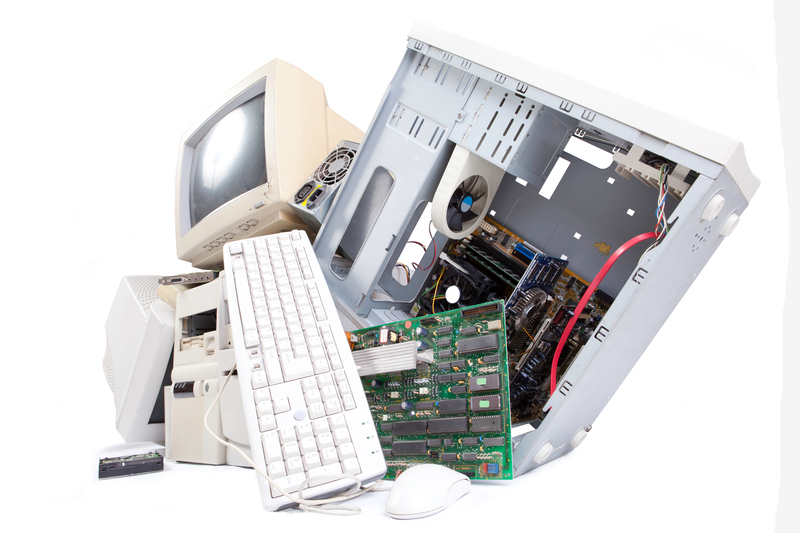
Where paperwork, screens, printers or mixed IT-related items are included, the collection needs to be planned carefully so that reusable materials and sensitive waste are handled appropriately. If confidential material is involved, the safest route is to keep shredding or secure destruction separate from general rubbish. Confidential shredding is a useful related service when paper records or sensitive documents form part of the clear-out.
Useful preparation usually comes down to a few basics: confirming what is staying, what is going, and whether access points allow a straightforward route out of the building. If you have photographs or a short inventory, they can help us assess the work more accurately. You can also use our office clearance page for more detail about typical office items and the sorts of workplace clearances we handle.
Furniture, fixtures and bulky item disposal
Many commercial clearances involve larger items rather than loose waste alone. Furniture disposal can include desks, conference tables, chairs, cabinets, shelving, reception units and mixed fitted items that are no longer suitable for the site. We remove bulky pieces carefully so that the clearance remains controlled even where items need to be carried through shared corridors, stairways or loading bays.
Some items may be better routed for reuse, while others are only suitable for dismantling and disposal. The decision depends on the condition of the item, the material it is made from and how easily it can be safely moved. Where furniture is part of a broader clear-out, separating bulk items from general waste can reduce confusion and make loading more efficient.
For combined bulky-item jobs, furniture clearance gives a focused route for arranging the removal of larger contents from commercial spaces. If the items are specifically worn-out household-style pieces from a managed property, furniture disposal may also be relevant, although the exact mix always depends on what is actually present on site.
Clearances for shops, units and changing premises
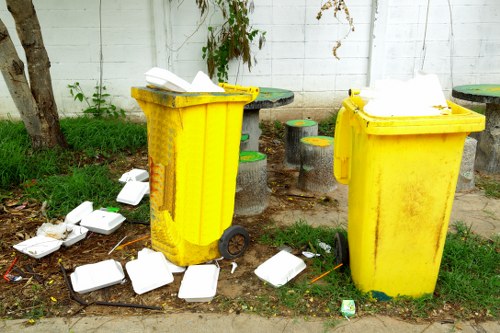
Shops, storage units and other customer-facing premises often need clearances when stock patterns change or a tenancy comes to an end. In those situations, the work may include display fittings, packaging waste, unsold stock, broken fixtures, signage or other non-hazardous contents that need to be moved quickly and tidily. A well-planned clearance can help keep the handover process practical for both outgoing and incoming occupiers.
Where the premises contain a mixture of items, it helps to decide early what should be retained, what can be reused elsewhere and what should be removed entirely. That decision is often easier when the clearance is grouped by area, such as front-of-house, stockroom, office back-up space or basement storage. We can then plan the work around those zones instead of handling the building as one undifferentiated load.
For properties with broader internal clearance needs, our flat clearance and home clearance pages show related approaches for contents removal, while commercial customers can still rely on a business-focused waste collection where the items are trade-related. The right route depends on what is being cleared and how the premises are used.
Waste types and how they are handled
Commercial waste removal is not just about lifting items away; it is about handling each material in a way that suits its category. Cardboard, plastics, office furniture, metal fixtures and mixed general waste each have different handling needs. Separating the load where practical helps keep the process organised and can improve the proportion of material sent for recovery rather than disposal.
Some waste streams need extra caution. Items such as fridges, appliances, mattresses or specialist waste should not be treated as ordinary rubbish, because they can involve different processing requirements. Where your commercial premises contain such items, it is worth identifying them early so that the removal plan matches the material. This avoids surprises on the day and helps keep the collection safe and lawful.
Our related pages include fridge and appliance removal and mattress and sofa disposal for specific bulky items, while hazardous waste disposal covers materials that need particular care. If you are unsure which category your waste falls into, describe it plainly and we can discuss the most suitable route before collection.
About Hendon
Hendon is a district in the London Borough of Barnet in north-west London, and its character reflects both long-standing settlement and later suburban growth. Historically associated with an old Middlesex parish, it developed from a rural community into an urban area as transport links improved and London expanded outward. The area is known for a mix of residential streets, local shopping routes and important institutions, with the name appearing across several landmarks and amenities that reflect different periods of development. One of the best-known historical references is Hendon Aerodrome, which played a notable part in aviation history before much of the land was redeveloped; that legacy remains part of the district’s identity. The local landscape is also shaped by open spaces and routes connected to the wider borough. Brent Reservoir, often called the Welsh Harp, sits nearby and provides a significant stretch of water, while parkland and green corridors offer relief from the built-up streets. Hendon Central and surrounding transport links have long supported movement through the area, and the neighbourhood contains a blend of older architecture, later housing, civic buildings and commercial stretches. The result is a place with a layered urban form rather than a single uniform centre, and that variety is part of what gives Hendon its distinct sense of place within north-west London.
Scheduling, access and practical preparation
When arranging commercial waste removal, a few practical details can make the collection easier to plan. It is helpful to know whether the waste is on a ground floor, in a basement, up stairs or in a shared building, because access affects loading time and movement through the property. If items are spread across more than one room or level, an outline of the layout can be more useful than an overcomplicated description.
Clear instructions save time on the day. That usually means noting any restricted entry points, parking considerations, security procedures or time windows that must be respected. Where a business is operating during the collection, it is also sensible to identify the areas that must remain undisturbed. A concise inventory or a few photographs can help, but they are most valuable when paired with plain details about the items themselves and the place they are stored.
If your enquiry involves a mixed load rather than one simple item type, our waste removal page gives a broader route into the service, and book online is available when you are ready to move from planning to arrangement. Before confirming anything, make sure the description covers quantity, access and any special handling needs.
Recycling, reuse and responsible disposal

Responsible commercial waste removal should consider what can be recovered, reused or separated before disposal. Not every item can be recycled in the same way, but material sorting can make a real difference when loads contain cardboard, metals, clean timber, plastics or reusable furniture. The right approach depends on the make-up of the waste rather than a one-size-fits-all rule.
We take a sensible view of each collection and aim to keep reusable or recyclable material out of the residual waste stream where possible. That is especially useful on clear-outs involving office contents, stockroom waste or light industrial offcuts. It also helps businesses keep their own disposal process more ordered, because the material can be grouped and handled by type instead of being left mixed together until the last moment.
For a closer look at how materials are treated, our recycling and sustainability page explains the general approach we follow. If your waste includes a small number of distinct items and you want to ask about likely handling, a short written description is enough to begin the conversation.
Houses, garages and stored items linked to commercial sites
Commercial waste removal sometimes overlaps with contents kept in domestic-style spaces connected to a business, such as a staff property, storage garage or rented flat used by an organisation. In those cases, the clearance may include household furniture, boxed items, old appliances or general stored materials that have built up over time. The task is still to remove the items efficiently and make sure they are treated according to their actual type.
Where the contents are mixed and not purely trade waste, it can be useful to separate the domestic and commercial elements before the collection. That makes it easier to decide whether a house clearance-style approach or a business waste route is the better fit. It also reduces the chance of missed items and avoids confusion when access is limited or rooms are used for different purposes.
Useful related pages include garage clearance, loft clearance and house clearance for stored or domestic-style contents. If the site contains a mixture of business and non-business material, tell us how the items are split so we can suggest the simplest route.
Quoted work, enquiries and the final step
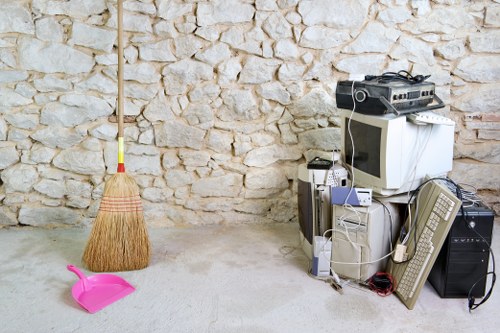
Once you know what needs to go, the final step is usually to define the scale of the clearance clearly enough for a useful quotation. The key points are the item types, how many loads are likely, whether anything needs dismantling and whether the waste sits in an easy loading position. These details matter more than broad assumptions, because two similar-looking clearances can require quite different handling.
For larger or more specific jobs, it may help to separate the core waste from any items that belong to specialist categories. A business moving out of premises might need office furniture removal, general rubbish clearance and secure paperwork handling as separate parts of the same project. Keeping those strands distinct makes it easier to describe the work accurately and avoids overlooking something that should be treated differently.
When you are ready, ask for a quotation in plain language and include the essentials: what needs removing, where it is located, and whether access is straightforward or restricted. If you want a place to start, our contact us page is the most direct route for making that enquiry.