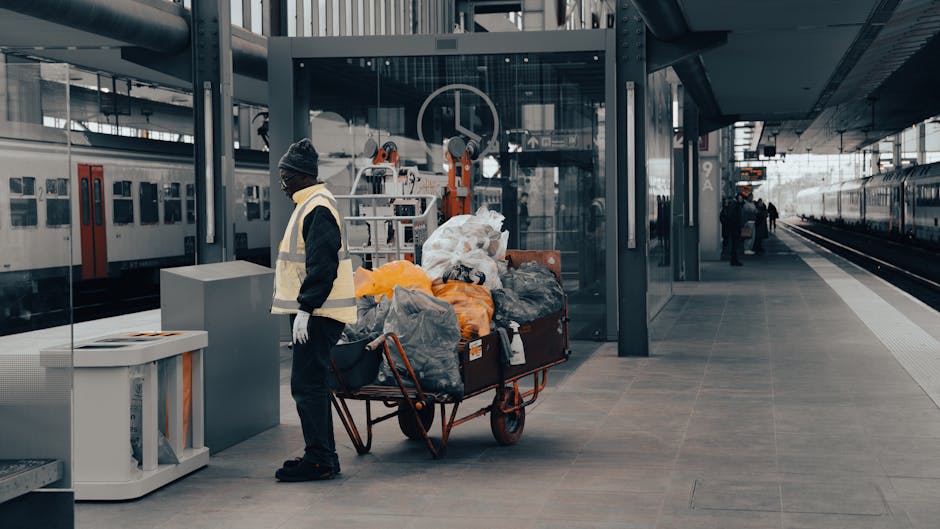
Hendon Central guide to rubbish removal near the station
If you are dealing with unwanted junk, old furniture, builder's debris, or a flat that needs clearing near Hendon Central station, the process can feel more awkward than it should. Space is tight, pavements are busy, and nobody wants rubbish hanging around longer than necessary. This Hendon Central guide to rubbish removal near the station walks you through how local clearance usually works, what to expect, where people go wrong, and how to choose the right option without faffing about.
Truth be told, rubbish removal in a station area is a bit different from a quiet residential road. Timing matters. Access matters. And if you are trying to clear waste from a flat, office, shop, garden, loft, or building project nearby, a well-planned collection can save time and stress. Below you will find a practical, no-nonsense guide that should help whether you need a one-off pickup or a fuller property clearance.
Table of Contents
- Why Hendon Central guide to rubbish removal near the station Matters
- How Hendon Central guide to rubbish removal near the station Works
- Key Benefits and Practical Advantages
- Who This Is For and When It Makes Sense
- Step-by-Step Guidance
- Expert Tips for Better Results
- Common Mistakes to Avoid
- Tools, Resources and Recommendations
- Law, Compliance, Standards, or Best Practice
- Options, Methods, or Comparison Table
- Case Study or Real-World Example
- Practical Checklist
- Conclusion
- Frequently Asked Questions
Why Hendon Central guide to rubbish removal near the station Matters
Station areas are busy by nature. There are commuters, delivery drivers, businesses, landlords, letting agents, builders, and residents all using the same roads and walkways. That means rubbish left outside for too long can quickly become a nuisance, and in some cases a real problem. Bags split. Cardboard blows about. Old sofas get damp. A skipped day can turn into a messy corner very quickly.
Near Hendon Central, the practical challenge is not just getting waste removed; it is getting it removed at a time and in a way that suits the building, the street, and your schedule. If you live in a flat with narrow stairs, run a small business, or need a fast clear-out after renovation work, a proper removal plan keeps things moving. It also helps you avoid the classic last-minute scramble. We have all seen that one pile of rubbish that somehow becomes "tomorrow's problem" for three days running.
This matters for another reason too: waste can affect neighbours, visitors, and customers. A tidy frontage gives a better impression, and in a place with regular footfall, that matters more than people admit. If you are trying to keep a property looking cared for, rubbish removal is not just disposal. It is part of how the place functions.
How Hendon Central guide to rubbish removal near the station Works
Most rubbish removal near Hendon Central follows a simple pattern, though the details change depending on the type and volume of waste. In plain English, you identify what needs to go, agree how it will be collected, and arrange a time when access is easiest. The best services will also consider sorting, lifting, loading, disposal, and recycling where possible.
A typical local removal might look like this:
- You describe the waste and the access conditions.
- The provider estimates the load size or asks for photos.
- A collection time is arranged, often with flexibility for busy streets or properties near transport links.
- The team arrives, checks what is being taken, and removes it safely.
- The waste is then transported for disposal, reuse, or recycling as appropriate.
That sounds straightforward, and usually it is. But there are small details that make a big difference: whether items need to come down stairs, whether parking is awkward, whether the waste includes heavy appliances, or whether there are materials that need special handling. If you are clearing mixed household items, home clearance can be a practical fit. For larger property jobs, house clearance is often the better route. And if you are looking at office equipment, paperwork, or commercial stock, office clearance is usually the more suitable option.
In station areas, good scheduling is often half the battle. Early morning, mid-morning, or early afternoon can each make sense depending on access and traffic. There is no magic formula. It depends on the building, the day, and how quickly the rubbish needs to disappear.
Key Benefits and Practical Advantages
The obvious benefit is speed. A proper collection clears space fast, which is especially useful when you are between tenants, opening a business, or trying to finish a project. But there are other advantages people sometimes overlook.
- Less disruption: Waste is removed in one go rather than sitting around in stages.
- Safer access: Loose rubbish, broken furniture, and sharp items are less likely to cause trips or injuries.
- Better appearance: This matters near stations, where footfall is higher and first impressions count.
- More flexible than DIY: You do not need to hire a van, find help lifting, or make multiple trips.
- Suitable for awkward items: Bulky furniture, appliances, and mixed waste are easier to deal with when handled properly.
There is also the mental side of it. A cluttered flat or worksite near a transport hub can feel oddly draining. Once the waste is gone, the whole place tends to breathe again. Sounds a bit dramatic, maybe, but it is true enough.
For businesses in particular, using a structured approach like business waste removal can make recurring collections much easier. If you are dealing with broken chairs, tables, wardrobes, or mixed bulky items, furniture clearance and furniture disposal are worth considering. And for the truly awkward stuff, like white goods, a dedicated fridge and appliance removal service is often the safer choice.
Who This Is For and When It Makes Sense
This guide is useful for a fairly wide range of people. In practice, rubbish removal near Hendon Central station tends to be needed by:
- homeowners clearing out clutter, old furniture, or stored items
- tenants leaving a flat in a tidy condition
- landlords and letting agents preparing a property for new occupants
- builders and tradespeople with renovation waste
- office managers dealing with outdated equipment, packaging, or storage waste
- local shops and small businesses with regular rubbish accumulation
- people clearing lofts, garages, gardens, or sheds
It makes sense when the waste is too much for household bins, too bulky for a simple car boot trip, or too mixed to sort easily yourself. If the pile includes old gym equipment, boxes of clutter, or the kind of random items that accumulate in a garage over the years, garage clearance is often a neat solution. For attic storage, loft clearance can save a lot of back-and-forth up and down ladders. Nobody enjoys that part, let's be honest.
Gardens need attention too. Branch cuttings, broken pots, soil, and old outdoor furniture can pile up fast after a weekend tidy. In those cases, garden clearance may be the most efficient option.
Step-by-Step Guidance
If you want the job to go smoothly, a bit of preparation helps. Not overcomplicated. Just sensible.
- Walk through the space first. Make a quick list of what actually needs removing. Separate general rubbish from items you want to keep.
- Check access. Measure doorways if needed, note stairwells, and think about where a vehicle can stop safely.
- Group waste by type. Put cardboard together, bulky items together, and anything sensitive or hazardous aside.
- Flag special items early. Fridges, sofas, mattresses, and anything with possible contamination should be mentioned before collection day.
- Choose the right service. Small mixed loads may fit general waste removal, while larger jobs might need a more specific service such as builders or property clearance.
- Confirm timing. In a station area, arrival windows matter. It helps everyone if the team can work when access is easiest.
- Keep the route clear. Hallways, lifts, staircases, and entrance paths should be free of obstacles.
- Do a final sweep. Small items hide in corners. A last look saves awkward surprises later.
A useful habit is to take photos before the team arrives. Not for drama. Just for clarity. It helps confirm what is being removed and avoids confusion if the pile changes between booking and collection day. One small picture can save a lot of back-and-forth.
Expert Tips for Better Results
Over time, the jobs that go best are the ones with the least ambiguity. Clear communication usually beats clever planning. That may sound basic, but basic works.
Here are a few practical tips that genuinely help:
- Be honest about volume. If the waste is bigger than a few bags, say so. Understating the load tends to create delays.
- Point out awkward access early. Tight staircases, basement steps, or shared entrances need a bit of warning.
- Keep mixed materials visible. If you have wood, metal, packaging, and general rubbish all together, mention that mix.
- Separate risky items. Batteries, chemicals, paint, gas canisters, and similar items need special care.
- Think about what could be reused. Not everything belongs in disposal. Some furniture or fixtures may still have life left in them.
If you are trying to clear an office, confidential papers should not just be thrown in with general waste. A service such as confidential shredding is the sensible route when private documents need secure handling. For construction work, builders waste clearance is usually the safer and tidier choice than leaving rubble and offcuts lying around.
Also, do not forget the practical side of payment and planning. If you are comparing providers, it is worth reviewing pricing and quotes and, if relevant, checking how payment and security are handled. It is not the exciting part, but it does matter.
Common Mistakes to Avoid
Some mistakes are so common they almost count as traditions. Not ideal traditions, mind you.
- Leaving booking too late: Rubbish builds up fast, especially after a move or renovation.
- Assuming everything can go together: Some items require separate handling, especially appliances or hazardous materials.
- Forgetting access constraints: A service cannot work smoothly if the lift is too small or the parking is impossible.
- Ignoring hidden waste: People often clear the obvious pile and forget what is under beds, behind wardrobes, or in cupboards.
- Not checking disposal expectations: Reputable operators should handle waste responsibly, but it is still wise to ask how items are processed.
- Trying to move heavy items alone: Sofas, washing machines, and awkward cabinets are where backs get hurt. Not worth it.
Another one: forgetting that station-area traffic can change everything. A van that would be fine on a quiet street may be delayed on a busier route. Build in a little buffer. It saves your nerves.
Tools, Resources and Recommendations
You do not need specialist equipment for every clearance, but a few simple tools make preparation easier.
- Gloves: Useful for sorting and moving bagged waste.
- Strong sacks or boxes: Better than weak bags that split at the worst moment.
- Tape and labels: Handy if you are separating keep, donate, and remove piles.
- Phone camera: Good for documenting loads, access points, or particularly awkward items.
- Measuring tape: Helpful for large furniture or tight doorways.
- Notebook or checklist: Keeps the clear-out manageable instead of chaotic.
For readers comparing disposal routes, this website also has a useful guide on what can go in a skip. Even if you are not hiring a skip, the topic is still useful because it helps you think clearly about what belongs with general waste and what needs separate handling.
If sustainability matters to you, the page on recycling and sustainability is worth a look. A good clearance should not just move rubbish from one place to another; it should keep recyclable materials in the right stream wherever possible.
Law, Compliance, Standards, or Best Practice
For rubbish removal, the broad principle is simple: waste should be handled safely, responsibly, and in line with applicable UK expectations. You do not need to become a compliance expert overnight, but you do need to avoid careless disposal. That is where the trouble starts.
In practical terms, good practice usually means:
- not mixing hazardous materials with ordinary rubbish
- making sure waste is transferred to an appropriate disposal route
- keeping shared areas clean and safe during collection
- using a provider that takes health and safety seriously
- asking questions if you are unsure how a specific item should be handled
Hazardous items deserve particular caution. Paints, solvents, some cleaning products, batteries, sharp contaminants, and certain electrical items may require a specific process. If that applies to your clear-out, a dedicated hazardous waste disposal service is the safer path.
It is also sensible to choose a provider that can explain how they approach safety, insurance, and operational care. The pages on insurance and safety and health and safety policy can help set expectations. Nothing flashy. Just proper standards, which, frankly, should be the baseline.
Options, Methods, or Comparison Table
People near Hendon Central often decide between a few different approaches. The right one depends on waste type, access, urgency, and how much sorting you are willing to do yourself.
| Method | Best for | Strengths | Limitations |
|---|---|---|---|
| General waste removal | Mixed household or light commercial rubbish | Flexible, quick, good for smaller jobs | May not suit bulky items or special waste |
| Furniture clearance | Sofas, tables, wardrobes, chairs | Ideal for bulky items, less lifting for you | Large items need access and accurate description |
| Builders waste clearance | Renovation debris, rubble, offcuts, packaging | Good for trade and refurbishment projects | Heavy or mixed loads can need careful planning |
| Flat clearance | Tenanted properties, moves, end-of-lease clear-outs | Suited to stairs, tight access, and full-room clearing | Requires more preparation if the property is full |
| Skip-related planning | Longer projects with regular waste generation | Useful for ongoing work on-site | Not always practical near busy access points |
If you are comparing clearance approaches for a home or rental property, flat clearance can be particularly useful near transport hubs where access, stairs, and loading time all matter. For larger domestic clear-outs, home clearance or house clearance may be more appropriate. It depends on the scale, plain and simple.
Case Study or Real-World Example
Here is a realistic example. A landlord near Hendon Central needs a two-bedroom flat cleared between tenancies. The property has a narrow stairwell, a bulky sofa, a broken wardrobe, several black bags of mixed rubbish, and a fridge that has to go. The best approach is not to drag everything outside and hope for the best. That would be messy, slow, and a bit unfair on neighbours using the shared entrance.
Instead, the waste is grouped in advance, the access route is checked, and the bulky items are identified before collection. The fridge is separated for proper appliance handling, the sofa is flagged, and the rest is prepared as mixed clearance waste. On collection day, the team can work more efficiently because nothing is being discovered on the fly. That is the key, really.
In a similar scenario for an office near the station, the main issue might be surplus desks, broken chairs, packaging, and confidential paper. In that case, a combination of office clearance and confidential shredding would make far more sense than trying to tackle it as one mixed pile.
The better the planning, the less the job feels like a scramble. That is usually where the savings come from too, even if they are not always obvious at first glance.
Practical Checklist
Use this before booking rubbish removal near Hendon Central station:
- List every item or bag that needs to go.
- Separate hazardous items from general waste.
- Check stair access, lift size, and doorway widths.
- Note any parking or stopping restrictions.
- Take photos of the load if the pile is substantial.
- Identify bulky items such as sofas, fridges, or mattresses.
- Make sure shared hallways and entrances are clear.
- Decide whether it is a home, flat, loft, garage, garden, or office job.
- Review pricing and timing before confirming the collection.
- Prepare a final sweep so nothing important gets removed by mistake.
Expert summary: The smoothest rubbish removals near busy transport links are the ones that are planned just enough to reduce guesswork. Clear access, accurate descriptions, and the right service type make a bigger difference than most people expect.
Get a free quote today and see how much you can save.
Conclusion
Rubbish removal near Hendon Central station is easiest when you treat it as a practical job, not a last-minute chore. Think through access, sort your waste sensibly, choose the right service, and keep hazardous or awkward items separate. Do that, and the whole process becomes much calmer. Less noise, less clutter, less chaos. Lovely, really.
Whether you are clearing a flat, making room in a garage, dealing with building debris, or tidying an office, the main goal is the same: get the waste out safely and cleanly, without disrupting the people around you. Near a station, that care matters even more. And once the clutter is gone, the space usually feels better straight away. A bit lighter. A bit easier to work in. A bit more like itself.
If you are ready to move from "I should sort that" to actually getting it done, a clear plan and the right removal approach will take you most of the way there. Not glamorous, perhaps, but very effective. And that counts for a lot.
Frequently Asked Questions
What is the best type of rubbish removal for a property near Hendon Central station?
It depends on the waste. For mixed everyday rubbish, general waste removal may be enough. For sofas, wardrobes, appliances, or larger loads, a more specific service such as furniture clearance, flat clearance, or office clearance is often more efficient.
Can rubbish removal work around tight access or stairs?
Yes, but the provider needs to know in advance. Tight staircases, narrow hallways, and small lifts are common in station-area properties, so it helps to mention access issues early.
Do I need to separate different types of waste before collection?
It is not always required, but it usually helps. Keeping hazardous items, electrical appliances, furniture, and general waste separate makes the job easier and can reduce confusion on the day.
What should I do with a fridge or other appliance?
Fridges and similar items should be flagged separately. Dedicated appliance handling is usually the safest option, especially if the item contains components that need special treatment.
Is it better to use a skip or a rubbish removal service?
That depends on the site, the volume of waste, and how quickly you need it gone. A removal service is often better for awkward access, bulky items, or one-off clear-outs. A skip can suit longer projects where waste builds up over time.
How do I prepare for a flat clearance near the station?
Make a room-by-room list, clear access routes, separate anything you want to keep, and identify bulky or special items. It is a small amount of prep, but it makes the collection much smoother.
Can businesses arrange regular rubbish removal?
Yes. Shops, offices, and other commercial premises often benefit from scheduled collections. Business waste removal is a sensible fit for recurring waste rather than one-off clutter.
What happens to the waste after it is collected?
That depends on the type of material. Good practice is to sort waste for disposal, recycling, or reuse where possible. The process should be handled responsibly and in line with normal UK waste expectations.
Are mattresses and sofas handled differently?
Usually, yes. Large upholstered items and mattresses often need special collection or handling due to their size and disposal requirements. A dedicated service such as mattress and sofa disposal can be the right option.
What if I am not sure whether my waste is hazardous?
If there is any doubt, ask before collection. It is better to check than to mix something risky into a general load. Paints, solvents, batteries, and some chemicals deserve extra caution.
Can I book rubbish removal for a garden or garage clear-out?
Absolutely. Garden waste, old tools, broken furniture, and stored clutter are common reasons people book collections. Garden clearance and garage clearance are both useful options for those jobs.
How can I keep costs under control?
Be accurate about the volume, separate special items in advance, and choose the right service for the job. Clear information at the booking stage usually prevents surprises later.
Is rubbish removal suitable for end-of-tenancy clear-ups?
Yes, very much so. End-of-tenancy jobs often involve a mix of general rubbish, leftover furniture, and a few awkward items. A tidy, efficient clearance can make the handover much less stressful.