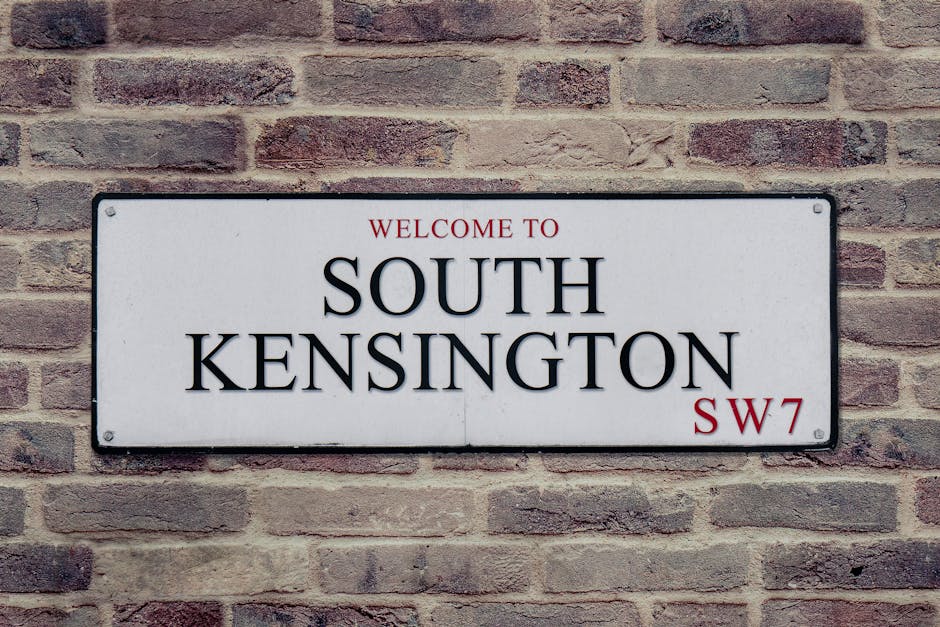
NW4 rubbish collection and clearance rules for local homes
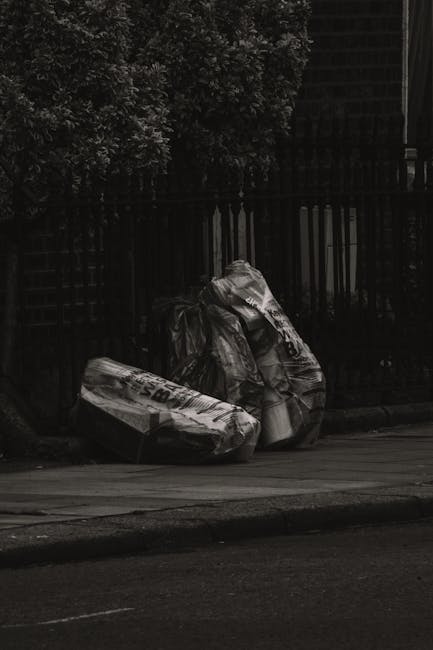
If you live in NW4, rubbish collection and clearance can feel straightforward right up until you have a pile of old furniture, a broken appliance, garden cuttings, and a bag of mixed junk all waiting by the front door. Then the questions start: what can go out with the regular collection, what needs a separate arrangement, and what is simply not allowed? This guide on NW4 rubbish collection and clearance rules for local homes is here to make that easier. It explains the practical rules, the everyday pitfalls, and the sensible ways to clear waste without creating extra stress, fines, or awkward doorstep surprises.
Whether you are clearing a flat, a terrace, a family house, or just making room in the loft, the same basic principle applies: sort things properly, keep access clear, and choose the right disposal route for the type of waste. Sounds simple. In real life, it rarely is. Let's fix that.
Why NW4 rubbish collection and clearance rules matter
NW4 homes have a mix of property types, parking conditions, shared entrances, and narrow streets in places. That means rubbish collection is not just about putting something outside and hoping for the best. The way you sort, store, and present waste affects whether it can be collected safely, whether it causes a nuisance, and whether you are left dealing with a missed pickup or a reluctant neighbour.
The rules matter for a few very practical reasons. First, collections depend on what the waste is. Household rubbish, recycling, bulky items, green waste, electricals, and building rubble are treated differently. Second, the way you present waste matters almost as much as the waste itself. Bags left blocking a pavement, loose debris, or sharp items can create hazards. Third, if you hire a clearance service, you still need to know what they can take, what needs to be separated, and what should never be mixed in with general rubbish.
Truth be told, most clearance problems come from the same few things: mixed waste, poor access, and overconfidence. A quick tidy-up can turn into a drawn-out job if those three are ignored. And in a busy local area, nobody wants waste sitting out for long, looking messy and attracting complaints.
If you are planning a bigger clear-out, it helps to understand the broader service landscape too. For example, a general waste removal service may suit mixed household rubbish, while more specific needs such as house clearance, flat clearance, or loft clearance can be a better fit for larger or more awkward jobs.
How NW4 rubbish collection and clearance rules work
At a practical level, rubbish collection in NW4 usually falls into one of three buckets: routine household collections, bulky or special collections, and private clearance services. Each one has different expectations.
Routine household collection is for everyday rubbish and recycling that is set out in the way your local collection system expects. That generally means the right bin or bag, on the correct day, in the proper location, and without contamination. If the wrong items are mixed in, the whole load may be refused or partially left behind.
Bulky or special collection usually covers larger items such as sofas, mattresses, fridges, wardrobes, or white goods. These items are not just "bigger rubbish"; they often need lifting, handling, and disposal through separate channels. A sofa with a broken frame, for example, is a very different problem from a couple of bin bags.
Private clearance is the more flexible option when you need a team to remove items from inside the property, from a garden, garage, or loft, or from somewhere awkward that would not suit a standard collection. This is where careful planning really helps. If the waste is already sorted and access is clear, the job tends to run more smoothly. If not, it can take longer than expected. A lot longer sometimes.
In NW4 homes, common clearance jobs include old furniture, broken appliances, bags of general clutter, garden waste, builder's rubble, and items left behind after a move. Some of these can be mixed together only if the clearance provider accepts them and can separate them safely. Others need careful segregation from the start, especially anything classed as hazardous or difficult to process.
A useful mental model is this: not all unwanted items are rubbish in the same sense. Some are recyclable, some are reusable, some are restricted, and some need specialist disposal. Once you see the difference, the rules feel much less confusing.
Key benefits and practical advantages
Following the right rubbish collection and clearance rules is not only about compliance. It also saves time, cuts hassle, and avoids that awful mid-clearance feeling when you realise half the pile cannot go where you expected.
- Fewer missed collections because items are placed correctly and kept separate where needed.
- Better recycling outcomes because reusable and recyclable materials are not buried under mixed waste.
- Safer access for residents, neighbours, and removal teams, especially on narrow paths or shared front areas.
- Lower stress when you know what can be collected, what needs specialist handling, and what should stay back.
- Cleaner property turnover for renters, landlords, and sellers who need a place cleared properly and quickly.
- Better value from private clearance because crews spend less time sorting on site.
There is also a quieter benefit that people often notice only after the job is done: the place feels reset. One clear room, one clear hallway, one cleared garden corner. It changes the feel of the home. Small thing, big relief.
If sustainability matters to you, it is worth checking how your chosen provider handles sorting and diversion from landfill. You can also look at a provider's approach to recycling and sustainability to understand how different waste streams are treated.
Who this is for and when it makes sense
This topic is relevant to a wide range of NW4 residents. It is not just for people doing a full house clear-out. In fact, most enquiries come from smaller, everyday situations that snowball faster than expected.
- Homeowners clearing garages, lofts, sheds, spare rooms, or old furniture.
- Tenants who need to leave a property tidy at the end of a tenancy.
- Landlords and agents dealing with left-behind items, waste from void periods, or post-move clearances.
- Families tackling accumulated clutter after a renovation, redecoration, or life change.
- People replacing bulky items such as sofas, mattresses, or appliances.
- Anyone dealing with mixed waste that is too much for a normal bin and not suitable for a simple drop-off.
It also makes sense when access is the main challenge. Think of top-floor flats, basement entrances, narrow stairwells, or a home where the front pavement is already busy with parked cars. In those situations, a planned clearance often works much better than trying to improvise on the day.
For properties with mixed contents, a full or partial clearance service can be easier than doing it piecemeal. A service such as home clearance can help when the job covers several rooms, while furniture clearance is useful when the main issue is bulky household items rather than general clutter.
Step-by-step guidance
If you want the process to go smoothly, the best approach is to work in a simple order. No drama. No last-minute guesswork. Just a clear plan.
- Identify the waste type. Separate general rubbish, recycling, bulky items, garden waste, electrical items, and anything potentially hazardous.
- Check what needs special handling. Fridges, sofas, mattresses, chemicals, paint, batteries, and certain electricals may need different disposal routes.
- Decide whether this is a collection or a clearance. A few bins worth of rubbish may be fine for routine disposal, but a loft full of mixed items usually needs a clearance service.
- Clear access paths. Move shoes, bikes, prams, plant pots, or anything else blocking hallways, gates, or stairwells.
- Bundle and label where practical. Keep cardboard together, separate soft furnishings, and do not mix sharp scrap with loose bags if you can avoid it.
- Get a clear price or estimate. A proper quote is easier when the load is described accurately, especially if the waste includes heavy or awkward items.
- Choose a convenient collection window. Morning collections often work best in busy residential streets, but the right time depends on access and neighbours.
- Walk through the site before the crew arrives. A quick look can reveal missed items, fragile surfaces, or access problems that are easy to fix early.
- Keep anything sensitive aside. Documents, keepsakes, medication, and valuables should never be left in mixed waste by mistake. Happens more than you would think.
- Ask how items will be sorted afterwards. Good clearance work should account for reuse, recycling, and responsible disposal rather than simple dumping.
A small tip that saves a lot of trouble: stack items where they can be lifted cleanly, not wedged behind other furniture. The difference between a neat pile and a tangled one can be twenty minutes of labour. Or more.
Expert tips for better results
After enough clearances, a few patterns become obvious. The jobs that go well are usually not the ones with the fanciest planning. They are the ones where people have made a few smart choices early.
Sort by material, not by room
It is tempting to clear one room at a time, but waste processing works better when similar materials are grouped. Cardboard with cardboard. Wood with wood. Soft furnishings together. Mixed rubble away from everything else. This makes collection easier and usually improves the recycling outcome.
Keep one "do not take" zone
Create a small area for items you are definitely keeping. This sounds obvious until a busy day arrives and the wrong bag gets placed in the wrong pile. One misplaced box can turn into a proper headache.
Watch the awkward items
Fridges, mattresses, sofas, and appliances are the classic troublemakers. They are bulky, heavy, and not always welcome in a general rubbish load. If those items are part of your job, check them early. A dedicated mattress and sofa disposal or fridge and appliance removal service may be the cleaner route.
Think about stairs and door frames
In NW4, a lot of homes and flats have tight turns or narrow staircases. Measure large items before you commit to moving them. It is no fun discovering that a wardrobe will not make the bend after you have already started.
Protect surfaces before moving heavy waste
Old carpets, varnished floors, and painted walls can take a beating during clearance work. A blanket, cardboard sheet, or simple pathway protection can prevent scuffs and chips. The quiet stuff matters.
Use a provider that understands the local rhythm
Good local clearance is not just about labour. It is about timing, access, parking realities, and keeping disruption low. If a service appears too rigid, it may not suit a residential street very well. For larger or more involved jobs, a specialist house clearance or garage clearance can be a better match.
Common mistakes to avoid
Most problems come from a handful of avoidable mistakes. To be fair, they are easy to make when you are in a rush. Still, they are avoidable.
- Mixing hazardous items with general rubbish. Paint, solvents, chemicals, and certain batteries need caution and may require specialist disposal.
- Leaving items outside too early. This can create visual clutter, obstruction, or weather damage if the collection is delayed.
- Assuming all bulky items are accepted the same way. A sofa is not treated like a broken chair, and a fridge is not treated like cardboard.
- Blocking access on collection day. Vans, bins, prams, and garden furniture can all slow things down if they are in the way.
- Underestimating volume. Bags seem smaller when they are still inside the room. Then suddenly the hallway tells the truth.
- Forgetting about hidden waste. Loft insulation offcuts, old paint tins, and trapped debris behind cabinets are easy to miss.
- Not checking disposal terms in advance. The best time to find out what is excluded is before the crew arrives, not during loading.
A slightly awkward but important point: if your load contains anything unusual, tell the provider early. It is far easier to make one honest phone call than to negotiate a half-finished pile on the pavement. Nobody enjoys that conversation.
Tools, resources and recommendations
You do not need specialist equipment for most domestic clearances, but a few simple tools make life easier and safer.
- Strong bin bags or rubble sacks for lighter mixed waste and loose debris.
- Work gloves to protect hands from sharp edges, splinters, and dirt.
- A tape measure for bulky furniture and tight access points.
- Marker labels or masking tape to mark keep, donate, recycle, and clear.
- A torch for lofts, cupboards, garages, and corners where forgotten items tend to hide.
- Basic floor protection such as cardboard or old blankets if heavy items are being moved.
For more involved domestic jobs, a proper clearance provider can save a lot of time. If you are dealing with a mix of furniture and general waste, the combination of furniture disposal and general waste handling can be more efficient than trying to split the task between several different methods. For households that need a fuller clear-out, garage clearance and loft clearance are particularly useful because these spaces collect awkward, forgotten items fast.
If you are comparing services, it is sensible to look at pricing and quotes alongside how items are handled. A cheaper option is not always the better one if it creates extra sorting work or skips proper recycling.
Law, compliance, standards and best practice
When people talk about rubbish collection rules, they often mean a blend of legal duty, council expectations, and sensible good practice. For local homes in NW4, the safest approach is to treat waste carefully, store it sensibly, and ensure it goes to the right place through a responsible route.
There are a few broad principles worth keeping in mind. Waste should not be left in a way that creates hazards or nuisance. Duty of care matters when you hand waste to another party, so it is sensible to use a provider that can explain how waste is managed, transported, and processed. Special care is needed for hazardous items, electricals, and anything with sharp, oily, or contaminating residue.
That does not mean every domestic clear-out is complicated. Far from it. It means the person arranging the clearance should think beyond the first pile of rubbish. If an item could leak, puncture, break, or contaminate a load, it deserves attention before collection day.
In practical terms, good compliance means:
- keeping different waste streams separate where possible;
- checking for restricted or hazardous items early;
- avoiding fly-tipping or unofficial dumping arrangements;
- using a provider with visible safety and handling standards;
- making sure access, parking, and placement do not create nuisance or obstruction.
If you are hiring help, it is reasonable to look for reassuring detail on safety and handling. Pages such as health and safety policy, insurance and safety, and terms and conditions can help you understand how a provider approaches the job. No need to overcomplicate it, but a little checking goes a long way.
Options, methods and comparison table
There is no single best method for every home. The right choice depends on the volume of waste, the type of waste, access, and how quickly you need the space cleared.
| Method | Best for | Strengths | Watch-outs |
|---|---|---|---|
| Routine household collection | Everyday bin waste and basic recycling | Simple, familiar, low effort | Limited to accepted items and collection rules |
| Bulky item collection | Single large items such as sofas or appliances | Convenient for one-off disposals | May not suit mixed waste or multiple rooms of clutter |
| Private waste removal | Mixed domestic rubbish, general decluttering, awkward loads | Flexible, fast, can handle varied items | Needs clear item description and access planning |
| Specialist clearance | Lofts, garages, houses, furniture, or specific item types | Good for more complex jobs and fuller clear-outs | Best chosen when the task matches the service scope |
In many NW4 homes, the most efficient route is a combination approach: separate what can be recycled, remove what is bulky, and then use a clearance service for the mixed remainder. That keeps the process tidy and usually makes the final result cleaner too.
If you are unsure which route suits your home, a short conversation with a provider can save a surprising amount of time. Sometimes the simplest answer is also the best one. Funny how that happens.
Case study or real-world example
Imagine a typical NW4 family home after a long-overdue clear-out. The loft has old boxes, broken toys, a suitcase with mixed bits and pieces, and a couple of heavy storage items. The garage holds a disused cabinet, some garden waste in sacks, and an old fridge that no one has used in years. The hallway is narrow, the weather is damp, and the front drive has only limited space.
In a situation like that, the easiest mistake is trying to move everything at once. A better approach is to sort the items first into three groups: keep, recycle, and remove. The fridge and the sofa-shaped item get flagged early. Loose garden waste is bagged and kept separate. Fragile boxes are checked before they are sent out. By the time the clearance team arrives, the route is clear, the load is understood, and the job can be completed without constant stops and re-checks.
The result is not just a cleaner property. It is a calmer day. Less back-and-forth. Less "where did this come from?" and more actual progress. That kind of practical organisation is what makes home clearance feel manageable instead of overwhelming.
For similar situations, the right service may be a mixed home clearance, a more focused garage clearance, or a specific appliance removal booking if the bulky items are the main issue.
Practical checklist
Use this quick checklist before arranging rubbish collection or clearance at home in NW4.
- Have I separated general waste, recycling, bulky items, and hazardous items?
- Do I know which items need specialist disposal?
- Is access to the property, hallway, garden, loft, or garage clear?
- Have I removed valuables, documents, and personal keepsakes?
- Are fragile surfaces protected where heavy items will be moved?
- Have I measured the largest items if doors or stairs are tight?
- Do I understand what the collection or clearance service will and will not take?
- Have I checked whether the job would be better as a full clearance rather than a simple collection?
- Have I picked a time that suits parking and access in my street?
- Am I ready to do a final walk-through before the team starts loading?
If most of those answers are yes, you are in a strong position. If not, a little preparation now will save a lot of frustration later.
Conclusion
NW4 rubbish collection and clearance rules for local homes are not complicated once you break them down into the basics: sort the waste, understand what needs special handling, keep access clear, and choose the right collection method for the job. That is the heart of it.
For simple bin waste, routine collection rules may be enough. For bulky items, mixed household clutter, or awkward clear-outs, a more tailored clearance approach is usually the sensible option. The best results come from a bit of planning, a bit of honesty about what needs removing, and a provider that treats the job carefully from start to finish.
Get a free quote today and see how much you can save.
And if you are facing a messy room, a packed garage, or a loft you have been avoiding for far too long, take it one step at a time. That first clear pile is often the hardest part. After that, it usually starts to feel lighter. Really lighter.
Frequently Asked Questions
What counts as household rubbish in NW4?
Household rubbish usually means everyday waste from normal home use, such as food packaging, general waste, and accepted recycling. Larger items, electricals, and hazardous materials are usually handled differently.
Can I put bulky items out with regular rubbish collection?
Usually not. Bulky items such as sofas, mattresses, fridges, and wardrobes often need a separate collection or clearance arrangement. The exact process depends on the item and the service used.
What should I do with old furniture from my home?
Old furniture is often best handled through a furniture clearance or furniture disposal service, especially if it is heavy, awkward, or part of a larger clear-out. It saves time and avoids trying to force it into a standard rubbish route.
Are fridges and appliances treated as normal waste?
No, not usually. Appliances often need special handling because of their size, materials, and internal components. Fridge and appliance removal is usually the safer option.
Do I need to separate recycling before a clearance?
It is strongly recommended. Separate recycling makes the job cleaner and often helps with recovery and recycling after collection. Mixed loads can still be manageable, but sorting first is better.
What happens if access to my property is difficult?
Access issues can slow the job down or make some items harder to remove. Narrow stairs, shared entrances, and tight parking should be mentioned early so the collection can be planned properly.
Can garden waste go with general rubbish?
Sometimes small amounts can, but garden waste is often better kept separate. Branches, soil, hedge cuttings, and green waste usually need a different handling approach from mixed domestic rubbish.
How do I know if I need a full house clearance?
If several rooms need clearing, or if the job includes a mix of furniture, clutter, and loose waste, a house clearance is often the better choice. It is more efficient than trying to arrange separate removals for each item type.
Is a private clearance service better than doing it myself?
It depends on the volume, the weight of the items, and how much time you want to spend. DIY can work for small loads, but private clearance is often better for bulky, mixed, or awkward waste.
What should I check before booking a clearance?
Check what items are accepted, whether hazardous items are excluded, how access should be prepared, and whether the quote reflects the amount and type of waste. A clear service brief prevents most problems.
Can I mix old mattresses with other household waste?
It is better not to mix them unless the provider specifically accepts it. Mattresses can be awkward to handle and often need separate disposal arrangements, especially if they are alongside other bulky items.
How can I keep costs down without cutting corners?
Sort waste before collection, separate recyclable items where possible, and be accurate about what needs removing. The more clearly you present the job, the less likely you are to pay for avoidable extra sorting time.
If you are planning a bigger clear-out, you may also find it useful to explore pricing and quotes, or look at specific support such as mattress and sofa disposal for bulky household items.